
Introduction: A Hidden Gem in the Heart of Columbia
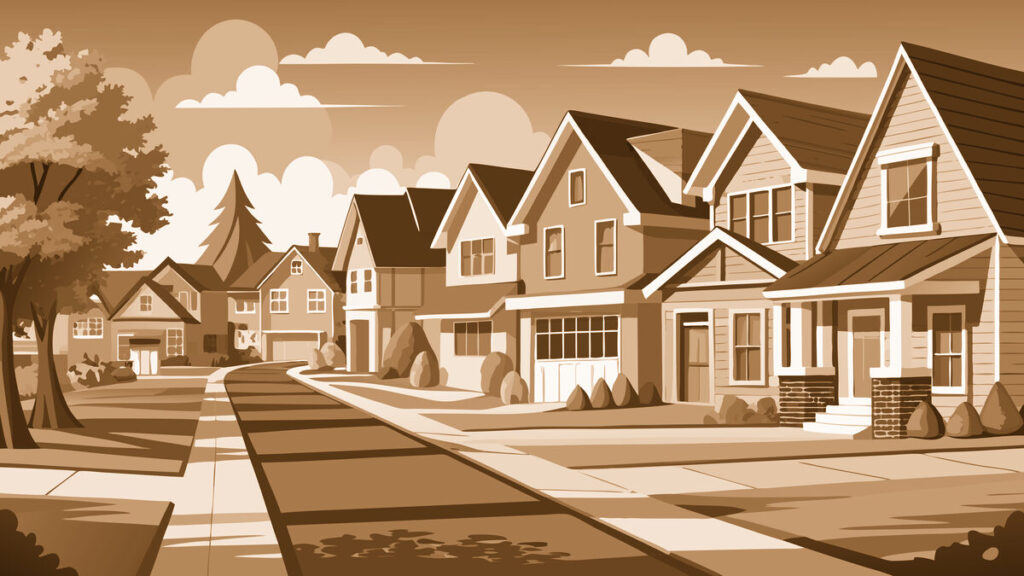
Tucked away just west of downtown Columbia, Sunset Lane is a quiet but vibrant neighborhood that holds stories spanning nearly a century. Known for its canopy of mature oaks and maples, cheerful sidewalks echoing with children’s laughter, and streets with tales to tell, Sunset Lane represents a classic slice of Midwestern life with a unique character all its own. For those who call it home or just wander through, this beloved neighborhood offers a living link to the city’s past, blending history with a welcoming community spirit.
The Origins of Sunset Lane
Sunset Lane’s story begins in the early 20th century, around the 1920s, as Columbia was enjoying a period of slow but steady growth. The city’s expansion outward from the University of Missouri and downtown area saw new subdivisions springing up to accommodate families seeking quieter surroundings yet not too far from the city's core. The land that would become Sunset Lane was, for many years, a mix of small farms and orchards bordered by what are now Stewart Road and Rollins Road.
In the late 1920s, this area caught the eye of local developer Harold McClure, who saw promise in its gently rolling hills and western-facing vistas. McClure envisioned a neighborhood where residents could enjoy scenic sunsets—a rare treat so close to town. So, when the plat was filed with the city in 1928, “Sunset Lane” was chosen as the name, both for the picturesque main street that curves along the highest ridge and for the breathtaking evening skies that inspired it.
Building a Neighborhood: Streets, Architecture, and Community
The original Sunset Lane consisted of just three streets: Sunset Lane itself, Morningstar Drive, and Frances Court. Each one was purposefully designed to preserve old growth trees and to create a small, interconnected community. Many homes from the 1930s and 1940s still stand proudly—charming brick Colonials, Tudor Revivals, and a handful of Craftsman bungalows. These houses, with their original facades and period details, offer a delightful architectural tour for anyone strolling the neighborhood.
In those early years, families moving to Sunset Lane were often professors, doctors, or small business owners drawn by the proximity to the University of Missouri and Boone Hospital. The area quickly developed a reputation for its friendly front porches and a strong sense of neighborliness that persists today.
Historical Milestones and Notable Landmarks
Throughout Sunset Lane, one finds tangible reminders of its past interwoven with the present. Notable landmarks and key milestones in the neighborhood’s history include:
- Sunset Park: Established in 1953, Sunset Park on the southern edge of the neighborhood was once part of the original Rollins family farm. Today, it’s a beloved gathering place for picnics, playdates, and annual neighborhood block parties. The stand of old hackberry trees in the northwest corner is rumored to be over 100 years old.
- The Old Rollins Gate: At the intersection of Sunset Lane and Rollins Road, residents preserved the stone pillars from a long-demolished gate that once marked the entrance to the Rollins family estate. These columns, now adorned with climbing ivy, serve as a physical marker of the area’s transformation from private farmland to vibrant community.
- Historic Home at 2016 Sunset Lane: Among the most notable houses, this 1932 Colonial was owned by Dr. Mary Lou Henning, one of Columbia’s first female pediatricians, who practiced medicine out of her sun-filled front parlor for several decades.
- Sunset Community Church: Established in 1956 on Morningstar Drive, this simple brick chapel has long hosted not only worship services but also community meetings, children’s art classes, and summer potlucks—cementing its role as a neighborhood hub.
Sunset Lane Through the Decades
Sunset Lane has gracefully evolved while retaining its original charm. In the 1960s and ‘70s, as subdivisions grew rapidly on Columbia’s outskirts, Sunset Lane’s central location made it increasingly desirable. New families moved in, renovating older homes and reinvigorating the streetscape. The neighborhood association, formed in 1978, worked tirelessly to preserve the historic character of the area, campaigning for measures such as underground utilities, maintaining the old street lamps, and advocating for careful development along its borders.
The 1990s and early 2000s witnessed renewed interest in historic preservation, leading several homeowners to restore original architectural details. The result? A stroll down Sunset Lane offers a walk through the decades, where every home tells a piece of Columbia’s story.
Parks, Institutions, and Community Life
Modern-day Sunset Lane retains its status as a tranquil retreat nestled inside the city. As you walk from Stewart Road down Sunset Lane, past Morningstar Drive and Frances Court, the gentle slope opens onto parkland and community open spaces. Sunset Park, with its playgrounds, mature trees, and seasonal wildflowers, remains the neighborhood’s centerpiece.
The Sunset Community Church continues to host weekly book clubs, holiday craft fairs, and the long-standing Sunset Lane Halloween Parade. And just a few blocks away, the Daniel Boone Regional Library draws new generations of Sunset Lane readers. The nearby streets—Rollins Road, Stewart Road, and Ash Street—connect the neighborhood to Columbia’s best schools, university events, and local shopping.
A Living Legacy
What makes Sunset Lane so special isn’t just the architecture or the parks, but a shared commitment to community. Long-time residents like the Petersons and Hernandez families tend their gardens with the same care as their predecessors, and annual traditions—like the summer ice cream social and autumn pumpkin walk—ensure that newcomers feel instantly at home.
Whether you’re passing under the leafy shade of Sunset Lane, listening to laughter from Sunset Park, or chatting with neighbors on a rambling front porch, the heritage of this neighborhood is alive and well.
Sunset Lane isn’t just a place to live—it’s a piece of Columbia’s heart, where every golden hour tells a new story, and the best sunsets are always ahead.